NCBA: GRSB shifts focus to nature-positive beef production and animal health
Ruaraidh Petre says healthy rangelands, productivity gains and profitability are key to the next phase of sustainability
 18 May 2026
 4 minute read
 By:
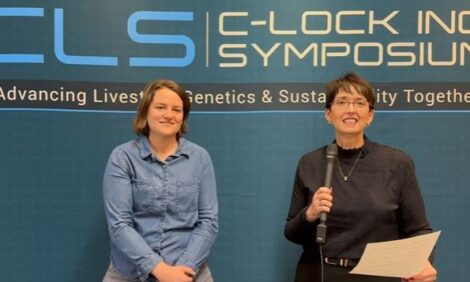
By: Ruaraidh Petre, executive director of the Global Roundtable for Sustainable Beef (GRSB), spoke to The Cattle Site’s Sarah Mikesell at the 2026 NCBA’s CattleCon in Nashville, Tennessee, USA.
What's new at GRSB?
This year we decided to combine CattleCon with our board meeting. Monday and Tuesday, we spent time in a GRSB board meeting. This was quite convenient because a lot of our members came to CattleCon anyway. We were able to bring some people in from other countries: our Australian representatives, New Zealand, Uruguay and others, including Canada which meant we had a lot of people in the room to make some strategic decisions about this coming year.
Where is GRSB focused?
There are a few areas that we are focused on. This year is a conference year for us. We're going to be running a conference in the first week of November in Queensland, Australia. The details of that will be posted on our website soon.
We’ve been looking at strategic opportunities and priorities for our members in the coming year. One of the topics we really want to drill down a little bit deeper into this year is nature-positive production. This is the international year of rangelands and pastoralists.
Nature-positive production ties in well with the message that healthy rangelands and healthy management of grasslands is a way to produce more sustainably. The impact of that is positive for your production system, it's positive for nature and it's positive for climate.
We want to get away from that whole carbon tunnel vision. There's been so much focus over the last few years on carbon, and I think that has been to the detriment of some other aspects. Shifting a little bit towards nature-positive is a great way of making that transition. I think nature-positive encompasses a lot of what sustainability is.
Is return on investment an important factor?
Always. In fact, the biggest thing in sustainability to me is the productivity gap between those who are doing a really good job and those who are not doing well. There may be multiple reasons for that. For example, in a developing country, you may not have access to the Extension advice, technology and resources to make an investment sustainable.
We need to make sure that what the best producers are using becomes available to everybody so that they can improve their bottom line and make the beef industry profitable. People can only remain in business through profit.
What other initiatives are you considering?
Another initiative that we're working on looks at animal health and its contribution to sustainability, which ties in with what I previously discussed.
There are so many aspects to sustainability that are not rocket science. The technology exists: we have vaccines, we have medicines, we have routine treatments for worming and parasites and so on. All these things make a huge difference to your productivity, and your efficiency. For the same amount of beef, they reduce the amount of cattle needed.
You've got two choices: either you end up maintaining your herd and producing much more food for the human population, or you reduce your herd and maintain production. What may happen is you end up somewhere in between.
In the last few decades, herd size in the United States has decreased, but beef productivity and total beef production have gone up. We need this to be replicated in countries like Brazil. Because in the end, it's in the producer's interest and they make more profit. It's also in the consumer's interest because they get access to more beef. It meets the overall goal of sustainability because we're having a lower impact per pound of beef.
Who joins GRSB? What kind of companies and producers are part of your organization?
We have members from pasture to plate. We have producers that range from individual ranchers to producer associations. For example, Cattle Australia is one of our members, they represent the grass-fed cattle producers of Australia. Canadian Cattle Association is another member, and they represent a lot of producers throughout Canada.
We have the big four processors in the US and similarly in other countries. We also have smaller processor groups. There are members from pharmaceutical companies, technology providers and the leather industry. We also have dairy industry representation because we're part of the same industry.
We also have retailers like restaurant chains and supermarket chains. We also have environmental organizations and universities. We also have our national initiatives and roundtables, representing 24 countries.
Is there a significant overall outreach to the market?
We're likely at the level now where most of the big producer countries and some of the big importer regions are members. With other countries, we may have an individual member, for example, from Korea or Japan, but those are not big markets that need a specific roundtable.
The exception would be China. They are a huge importer that’s very influential in global markets. We’d love to bring in China, but there are barriers involved.
What’s next for GRSB?
We'll be working on our 2026 report, which will gather data from all our national roundtables. At our conference in November, we'll be launching that report. We'd love for people from around the world to come to Australia.
You'll get to experience both Australia, the production system there and learn about what all your global partner countries are doing in terms of sustainable beef. We welcome everyone - not only our members.